How to Choose the Right Fabric for Corporate Polo Shirts?
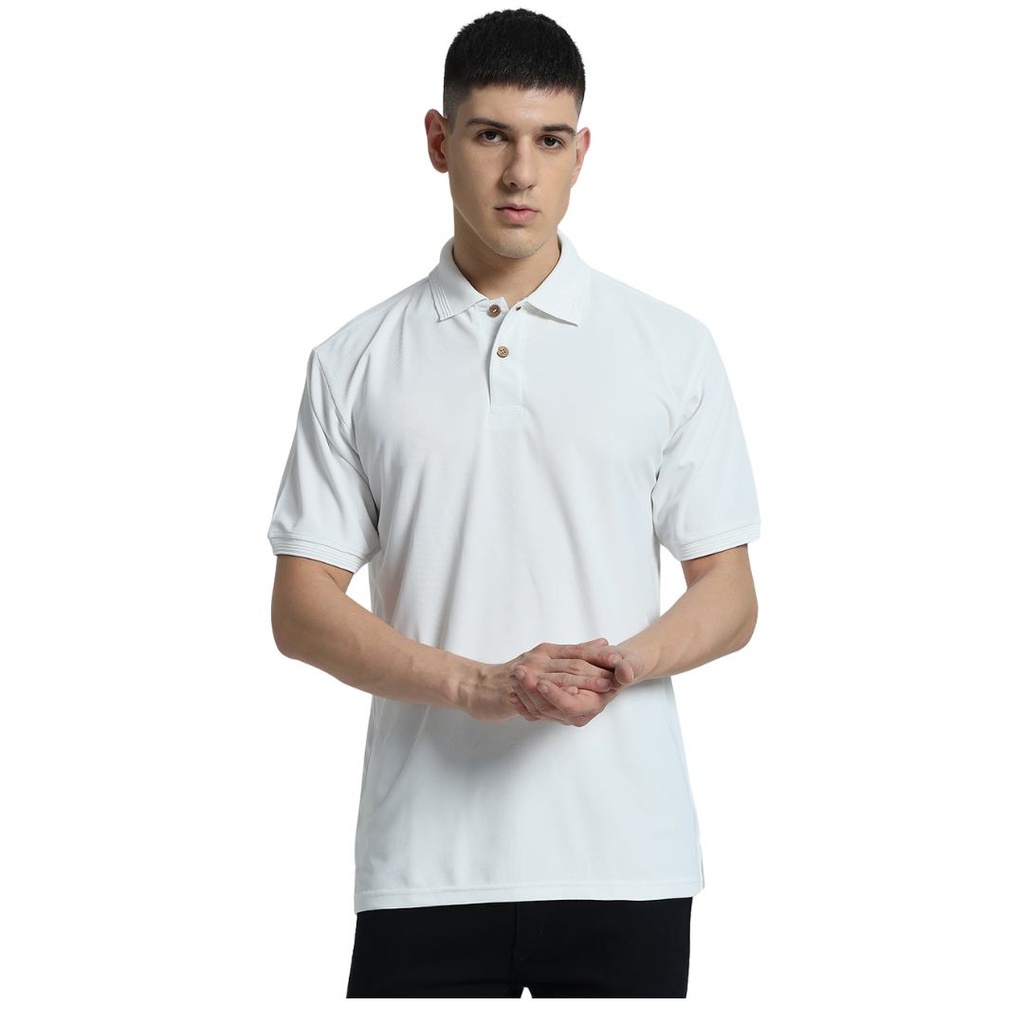
Corporate polo shirts are a popular choice for employee uniforms, trade shows, conferences, promotional campaigns, hospitality teams, and corporate events. They offer a balance between a professional appearance and everyday comfort while providing a practical surface for company branding.
However, choosing the right polo is about more than selecting a color and adding a logo.
The corporate polo shirt fabric can influence how comfortable the garment feels, how it performs in different environments, how well it retains its appearance, and how suitable it is for repeated washing and everyday use.
Cotton, polyester, cotton-polyester blends, recycled polyester, and performance fabrics can all serve different purposes. The right option depends on who will wear the polo, where it will be used, how frequently it will be washed, the desired brand image, and the available budget.
For businesses comparing top corporate gifts suppliers Dubai and top corporate gifts suppliers UAE, understanding fabric differences can make the selection process much easier.
Why Does Corporate Polo Shirt Fabric Matter?
The fabric is one of the most important factors in determining whether employees will actually want to wear a corporate polo.
A shirt may have excellent branding, but if it feels uncomfortable in a warm environment, restricts movement, or loses its shape after repeated washing, it may not become a long-term wardrobe staple.
The right fabric can influence:
Comfort
Breathability
Moisture management
Durability
Weight
Appearance
Ease of maintenance
Color retention
Branding suitability
Overall perceived quality
This is why companies should evaluate the corporate polo shirt fabric before finalizing the design.
What Are the Main Fabric Options for Corporate Polo Shirts?
The most common choices include:
100% cotton
100% polyester
Cotton-polyester blends
Recycled polyester
Performance fabrics
Jasani's current custom polo shirt offering specifically lists 100% cotton, 100% polyester, and cotton-polyester blends as fabric choices. Its wider polo collection also includes recycled polyester and performance-oriented options.
Each option offers a different combination of comfort, performance, appearance, and cost.
1. 100% Cotton Polo Shirts
Cotton remains a popular choice when comfort and a familiar natural-fabric feel are the main priorities.
Cotton polos can be particularly suitable for:
Office teams
Corporate casual wear
Employee appreciation
Client-facing teams
Conferences
Everyday uniforms
Cotton generally has a soft, comfortable feel and can work well when employees wear polos for extended periods.
Jasani's current polo collection includes Santhome 2-ply 100% cotton models, providing an example of cotton being used for corporate apparel.
Advantages of Cotton
Comfortable feel
Familiar fabric texture
Suitable for office environments
Natural-fiber appeal
Suitable for everyday corporate wear
Considerations
Cotton may not always be the best choice for employees working outdoors or in environments where moisture management and quick drying are important.
For hot and active work environments, a performance-oriented fabric may be more suitable.
2. 100% Polyester Polo Shirts
Polyester is often selected when performance, durability, and moisture management are important.
It can be particularly relevant for:
Outdoor teams
Sports events
Golf events
Field employees
Hospitality teams
Promotional campaigns
Active work environments
Polyester-based performance polos can be designed with features such as moisture management and UV protection.
Jasani's current collection includes several performance-focused polo shirts, including DryNCool and UV-protection options.
Advantages of Polyester
Lightweight options available
Good durability
Suitable for active environments
Can support moisture-management features
Suitable for performance apparel
Often easier to maintain for frequent-use uniforms
Considerations
The feel of polyester varies significantly between products. A basic polyester polo and a technical performance polo can provide very different wearing experiences.
Therefore, companies should evaluate the actual fabric construction rather than judging all polyester polos as the same.
3. Cotton-Polyester Blends
A cotton-polyester blend combines two materials to balance different characteristics.
The exact percentage of each fiber can vary, so businesses should check the product specification before ordering.
Blended fabrics can be useful when companies want a combination of:
Cotton comfort
Polyester durability
Easier maintenance
Professional appearance
Everyday versatility
This makes blends particularly useful for corporate uniforms that need to transition between office and field environments.
Jasani's custom polo shirt range specifically offers cotton-polyester blends alongside 100% cotton and 100% polyester options.
When Should You Choose a Blend?
A blended polo can be a strong middle-ground option when employees have mixed requirements.
For example, a company with employees who spend some days in the office and some days visiting clients may benefit from a fabric that balances comfort and durability.
4. Recycled Polyester Polo Shirts
Sustainability is becoming increasingly relevant in corporate apparel.
Recycled polyester provides an option for companies that want to incorporate recycled materials into their branded clothing programs.
Jasani's current polo collection includes the Santhome TERRA Recycled Polo Shirt and the Santhome PRO EARTH fully recycled polo shirt. The TERRA model is described as a 100% recycled polyester polo with moisture-management technology and recycled-material construction.
Recycled polyester can therefore be considered when sustainability is part of the company's procurement or corporate gifting strategy.
What Should Businesses Check?
Do not rely only on the word "recycled."
Consider:
Percentage of recycled content
Certification or traceability where applicable
Product durability
Expected lifespan
Manufacturing claims
Packaging
Whether employees will actually continue wearing the garment
A durable shirt that employees wear repeatedly can provide more practical value than a garment that is rarely used.
5. Performance Fabrics
Performance-oriented fabrics can be particularly useful when corporate polos are intended for active environments.
Features may include:
Moisture management
Quick drying
UV protection
Lightweight construction
Breathability
Odor-control technologies
Jasani's current polo collection includes products with UV protection, DryNCool technology, antimicrobial properties, and other performance-oriented features.
These options can be especially relevant for employees working in warm climates or spending significant time outdoors.
Corporate Polo Shirt Fabric: Quick Comparison
| Fabric Type | Comfort | Durability | Moisture Management | Best For |
|---|---|---|---|---|
| 100% Cotton | Excellent | Good | Moderate | Office and everyday wear |
| 100% Polyester | Good | Excellent | Good to Excellent | Outdoor and active teams |
| Cotton-Polyester Blend | Very Good | Very Good | Good | Mixed work environments |
| Recycled Polyester | Good to Very Good | Good to Excellent | Good | Sustainability-focused programs |
| Performance Fabric | Very Good | Excellent | Excellent | Outdoor and active environments |
Actual performance depends on the specific fabric construction, weight, finishing, and garment design.
What Is GSM and Why Does It Matter?
GSM stands for grams per square metre and is commonly used to indicate fabric weight.
In simple terms:
Lower GSM = generally lighter fabric
Higher GSM = generally heavier fabric
However, GSM should not be treated as a direct measure of quality.
A lightweight fabric can be excellent for hot weather, while a heavier fabric may provide a more structured and premium appearance.
For corporate polos, consider GSM alongside:
Climate
Intended activity
Fit
Fabric composition
Breathability
Desired appearance
Jasani's product documentation, for example, lists the TERRA recycled polo at approximately 155–160 GSM.
The appropriate GSM ultimately depends on the intended use rather than simply selecting the highest number.
Which Fabric Is Best for Dubai's Climate?
Climate should be a major consideration when choosing corporate apparel in the UAE.
For outdoor teams and employees who spend considerable time outside, companies may prioritize:
Lightweight construction
Moisture management
Quick-drying properties
UV protection
Breathability
Performance polyester polos can therefore be particularly suitable for outdoor use.
For employees who primarily work in air-conditioned offices, cotton or cotton-polyester blends may provide a comfortable alternative.
The same company may even choose different fabrics for different teams.
Which Fabric Is Best for Outdoor Employees?
Outdoor employees typically need clothing that can handle movement, heat, and repeated use.
Performance polyester can be a strong choice when the garment includes features such as moisture management or UV protection.
Suitable use cases can include:
Event staff
Sales representatives
Field technicians
Hospitality teams
Construction support teams
Sports-event staff
Outdoor promotional teams
The key is to prioritize performance over appearance alone.
Which Fabric Is Best for Office Employees?
For office employees, comfort and professional appearance may take priority over advanced performance features.
Suitable options can include:
100% cotton
for a soft, traditional feel.
Cotton-polyester blend
for a balance between comfort and durability.
Premium performance fabric
when employees regularly move between indoor and outdoor environments.
A structured polo with a refined collar and appropriate fit can also create a more polished appearance regardless of fabric.
Which Fabric Is Best for Corporate Events?
Corporate events have different requirements from daily uniforms.
Employees may wear the polo for:
Conferences
Trade shows
Product launches
Networking events
Exhibitions
Corporate celebrations
For indoor conferences, cotton or blended polos may be sufficient.
For outdoor events, lightweight performance fabrics may be more practical.
For high-profile events, companies should also consider the garment's overall finish, collar construction, fit, and branding quality.
Does Fabric Affect Logo Branding?
Yes.
The fabric and garment construction can influence how a logo appears.
Corporate polos can commonly be branded using techniques such as:
Embroidery
Screen printing
Heat transfer
Other textile-specific printing methods
The best method depends on the fabric, logo complexity, design size, and desired appearance.
Jasani states that its apparel branding capabilities include embroidery, screen printing, heat transfer, and sublimation, among other techniques. Its polo collection also identifies specific branding options for individual products.
When Is Embroidery Better?
Embroidery can be particularly effective for corporate polos because it creates a textured, professional appearance.
It is often suitable for:
Company logos
Employee uniforms
Executive apparel
Hospitality uniforms
Premium corporate clothing
For a relatively simple logo, embroidery can create a strong long-term branded appearance.
However, very detailed artwork, gradients, or photographic designs may be better suited to printing techniques.
When Should You Use Heat Transfer or Printing?
Printing can be more appropriate when the logo includes:
Multiple colors
Fine details
Gradients
Larger artwork
Heat transfer and sublimation can be particularly relevant for performance fabrics and complex artwork.
The specific technique should always be tested on the selected garment before bulk production.
How Does Color Selection Affect Fabric Choice?
Corporate apparel should maintain consistency with the company's visual identity.
Before selecting the fabric and garment color, consider:
Brand colors
Logo contrast
Workplace environment
Event setting
Employee preferences
Heat absorption for outdoor use
Long-term appearance
Dark colors can create a sophisticated corporate appearance, while lighter colors may be useful for hot outdoor environments.
The final choice should balance brand identity with employee comfort.
How Important Is Fit?
Even the best corporate polo shirt fabric will not make a shirt successful if the fit is uncomfortable.
Consider offering:
Men's sizing
Women's sizing
Extended sizes where required
Appropriate sleeve length
Comfortable shoulder construction
Suitable overall fit
Employee demographics should be considered before ordering large quantities.
A product that fits only one body type may have lower adoption across a diverse workforce.
Should Companies Choose One Fabric for Everyone?
Not necessarily.
Different teams may have different requirements.
Office Team
Cotton or cotton-polyester blend.
Outdoor Team
Performance polyester with appropriate technical features.
Sales Team
Premium cotton-polyester blend or performance polo.
Sports or Golf Event
Lightweight performance fabric.
Sustainability Campaign
Recycled polyester.
Executive Event
Premium cotton or refined performance fabric with subtle branding.
This approach can produce better employee satisfaction than forcing every team into the same garment.
What About Corporate Sustainability?
Corporate apparel can contribute to a company's broader sustainability strategy when products are selected thoughtfully.
Businesses can consider:
Recycled fabrics
Durable garments
Long product lifespan
Responsible packaging
Reusable uniforms
Reduced replacement frequency
Jasani's current apparel portfolio includes sustainable and recycled polo options, including the TERRA recycled polo and PRO EARTH fully recycled polos.
However, sustainability should be evaluated across the product lifecycle rather than based on material claims alone.
How Many Polo Shirts Should Each Employee Receive?
The answer depends on whether the polo is being used as:
A daily uniform
Event apparel
Promotional merchandise
Employee gifting
Occasional corporate wear
For daily uniforms, employees may need multiple shirts to allow for regular washing.
For a one-day event, one or two branded polos may be sufficient.
For employee gifting, the number may depend on budget and whether the polo is intended as a wardrobe addition rather than a mandatory uniform.
What Should Companies Consider Before Bulk Ordering?
Before placing a large corporate apparel order, evaluate:
Fabric
Is it appropriate for the work environment?
GSM
Is the weight suitable for the climate and intended activity?
Fit
Are appropriate sizes available?
Color
Does it work with the corporate identity?
Branding
Which technique produces the best result?
Durability
Can the shirt handle the expected washing frequency?
Quantity
Is sufficient stock available?
Lead Time
Allow time for sampling, branding, quality control, and delivery.
Jasani's custom polo shirt documentation states an MOQ of 800–1,200 units for Pantone-matched custom polos, while its ready-stock polo category currently includes multiple products with 100+ and 1,000+ unit availability.
For smaller requirements, businesses should therefore distinguish between fully custom manufacturing and branded ready-stock apparel.
Why Should Companies Request a Sample?
A sample can reveal details that are difficult to judge from a product image.
Before approving a large order, check:
Fabric feel
Weight
Fit
Stitching
Collar construction
Color accuracy
Logo size
Logo positioning
Embroidery quality
Print durability
This is particularly important when working with top corporate gifts suppliers Dubai, because the finished garment needs to represent the company's brand professionally.
How to Choose the Right Corporate Polo Shirt Fabric
A simple decision framework can help.
Choose 100% Cotton If:
Comfort is the primary concern.
Employees mainly work indoors.
A traditional corporate appearance is preferred.
A natural-fabric feel is important.
Choose 100% Polyester If:
Employees are active.
Outdoor work is common.
Moisture management is important.
Durability is a priority.
Choose Cotton-Polyester Blend If:
You need a balance between comfort and durability.
Employees work in mixed environments.
The shirt will be worn frequently.
Choose Recycled Polyester If:
Sustainability is part of the campaign.
Employees need a durable performance-oriented shirt.
The company wants recycled material in its apparel program.
Choose Performance Fabric If:
Employees spend significant time outdoors.
The event is physically active.
Moisture management or UV protection is important.
What Should Businesses Ask Top Corporate Gifts Suppliers?
When comparing top corporate gifts suppliers UAE, ask the supplier:
What fabric options are available?
What is the GSM of each fabric?
Is the fabric suitable for the local climate?
What sizes are available?
Are men's and women's cuts available?
Which branding methods work best with the fabric?
Can the logo be Pantone matched?
Can a physical sample be provided?
What is the MOQ?
How much ready stock is available?
What is the branding lead time?
What washing and care instructions apply?
Are recycled or sustainable options available?
These questions help businesses make a decision based on actual use rather than simply selecting the cheapest polo.
Why Supplier Selection Matters
Choosing a corporate apparel supplier is about more than finding a catalog of shirts.
Businesses should evaluate:
Product quality
Fabric variety
Branding expertise
Customization capabilities
Stock availability
Quality control
Sampling process
Bulk-order capacity
Regional delivery
Jasani states that it has more than 3,000 in-stock corporate gifting products and serves clients across the Middle East, Africa, and India. Its portfolio also includes custom apparel and multiple in-house branding techniques.
Businesses can explore Jasani's polo shirt collection when comparing cotton, polyester, recycled, and performance-oriented corporate polo options.
For broader corporate gifting requirements, companies can also explore Jasani's corporate gifting range, which includes apparel alongside technology, drinkware, bags, stationery, and other categories.
Final Thoughts
Choosing the right corporate polo shirt fabric starts with understanding the people who will wear it.
100% cotton can be a strong choice for comfort-focused office apparel. Polyester can be more appropriate for active and outdoor teams, particularly when performance features are included. Cotton-polyester blends offer a practical middle ground, while recycled polyester can support sustainability-focused corporate apparel programs.
Performance fabrics with features such as moisture management and UV protection can be especially useful for outdoor teams and events in warm climates. Jasani's current polo range includes examples across these different requirements.
The fabric should also be evaluated alongside GSM, fit, color, branding method, durability, stock availability, and budget.
For companies comparing top corporate gifts suppliers Dubai and top corporate gifts suppliers UAE, the best approach is to request samples, compare fabric performance, test the branding, and select apparel according to the actual working environment.
Ultimately, the best corporate polo is not simply the one with the most premium fabric.
It is the one employees are comfortable wearing, proud to represent, and willing to wear again.


Comments
Post a Comment